
Early in my journey with local SEO, I vividly remember spending hours manually building citations for clients, meticulously ensuring every listing was accurate and consistent. It felt like a never-ending race against time, only to realize months later that many of these efforts didn’t move the needle as much as I’d hoped. That frustrating experience was a real lightbulb moment for me—one that prompted a complete re-evaluation of our strategies.
The Shift: From Manually Building Citations to Relying on Entity Signals
In recent years, I’ve watched top professional SEO experts abandon the old manual citation game. Instead, they focus on the smarter, data-driven approach—harnessing the power of entity signals to boost local rankings. This change isn’t just hype; it’s backed by solid insights. Studies show that search engines are increasingly sophisticated, prioritizing entity-based context over simple citation counts. In fact, Google’s CEO Sundar Pichai emphasized that the future of search leans heavily on AI and understanding entities, not just keywords or links (Source: Search Engine Journal).
So, why are the industry leaders making this switch? The answer lies in the limitations of manual citations—time-consuming, often inconsistent, and vulnerable to changes in local listing algorithms. Meanwhile, entity signals—such as brand mentions, knowledge panels, and related data points—offer a more resilient and scalable path to local dominance.
If you’re still relying heavily on manual citation building, ask yourself: Are my efforts delivering the steady, sustainable growth I need, or am I just spinning my wheels? Stay tuned, because in the following sections, I’ll share how ditching traditional citations can actually elevate your local SEO game—and how you can start implementing these strategies today.
Is the hype around entity signals truly worth the switch?
My early mistake was underestimating how much these signals could influence rankings. I thought, like many, that stacking citations was enough. I wish I had known sooner that a focus on customized local optimization plans that leverage entity signals would outperform traditional tactics by a mile. Now, I see firsthand how this approach improves not just rankings, but also the quality of leads and conversions.
Prioritize Business Profile Optimization
Start by claiming and verifying your Google My Business (GMB) listing if you haven’t already. Fill out all sections meticulously—adding accurate business name, address, phone number, and categories. Incorporate high-quality photos and regularly update posts to signal activity. To deepen your local presence, optimize your business profile SEO, ensuring consistency across all platforms. This foundational step establishes authority and trust, acting as a springboard for advanced tactics.
Build an Authority Network of Mentions
Unlike traditional citation stacking, focus on acquiring natural mentions on authoritative sites and local news outlets. Engage with local journalists or influencers to foster genuine mentions of your brand, products, or services. This process enhances your entity’s credibility, making your business more recognizable to search engines. In practice, I reached out to a local community blog, earning a mention that significantly boosted my client’s map ranking. Remember, the goal is to create a web of related signals that reinforce your entity’s authority.
Leverage Knowledge Panels and Related Data
Ensure your business information is consistently represented across platforms—Wikipedia, Bing Places, Yelp, and industry directories. Claim and enhance knowledge panels with accurate, comprehensive data. Embedding structured data on your website further helps search engines connect the dots between your online presence and real-world entity. As seen in GMB pros strategies, entity signals from knowledge panels play a pivotal role in ranking.
Implement Strategic Content and Contextual Signals
Create locally relevant content that naturally incorporates your brand, services, and community involvement. Use schema markup to accentuate key data points—reviews, business hours, products. This signals to search engines that your entity is active and trustworthy. During a campaign, I added event schema for a local charity event, which created a strong contextual link to our business, enhancing visibility in local searches.
Monitor, Adjust, and Reinforce Signals
Regularly audit your entity signals—check for inconsistent mentions, duplicate listings, or outdated information. Use tools and analytics to identify gaps or opportunities. Strengthen your signals by engaging with customer reviews, encouraging check-ins, and participating in local communities online. For instance, after optimizing my client’s profiles and mentions, I observed a steady climb in map rankings over weeks, confirming the effectiveness of these core techniques.
By implementing these targeted, actionable steps—focused on entity signals, local mentions, and optimized business profiles—you build a resilient local SEO presence that outperforms manual citation efforts. Remember, search engines are evolving; adapting your strategy with these core concepts ensures sustainable growth and visibility in competitive markets.
 Many businesses assume that simply hiring a local optimization agency or relying on GMB pros guarantees success. However, a common misconception is that these tactics are foolproof, leading to complacency. In reality, most practitioners overlook the nuanced differences between surface-level optimizations and the deeper, strategic signals that truly influence rankings. For instance, focusing solely on boosting business profile SEO without integrating advanced entity authority techniques can create a false sense of security, leaving gaps that competitors can exploit. Research from leading SEO experts highlights that sophisticated algorithms now prioritize contextual relevance over basic citation count, emphasizing the importance of mastering complex entity relationships.
It’s a trap to believe that traditional methods like citation stacking are enough—Google’s AI models, particularly in 2025 and beyond, interpret these signals differently. Relying too heavily on outdated tactics risks stagnation, or worse, penalization. Instead, a more effective approach involves leveraging advanced knowledge panel optimization, harnessing real-time signals, and cultivating authoritative mentions that reinforce your business’s online credibility.
Are you falling into this trap of superficial optimization? The key is understanding that deep, strategic signals outperform generic tactics every time. Dive into cornerstone content that addresses foundational concepts, then expand into related strategies that refine your local presence. For example, studies demonstrate that integrating structured data with entity authority boosts not only rankings but also user trust, leading to higher conversion rates.
Remember, in the intricate world of local SEO, what most people miss are the subtle but powerful nuances—like the role of semantic context, proximity signals, and cross-platform consistency—that build a resilient digital footprint. Ignoring these can be a costly mistake, especially as search engines evolve to prioritize sophisticated understanding over simple link-building.
To stay ahead, continuously audit your signals, refine your entity relationships, and focus on advanced reputation management. For instance, tracking knowledge panel accuracy or managing local mention quality can significantly impact your map rankings. Don’t fall behind by relying on tactics that worked years ago—adapt to the new normal by mastering these hidden nuances.
Interested in uncovering more of these advanced tactics? Check out our comprehensive guide on how map ranking teams outperform competitors in 2025 and ensure your strategies are future-proof. Have you ever fallen into this trap? Let me know in the comments.
Maintaining a high level of local SEO performance requires more than just initial setup; it demands consistent monitoring, the right tools, and strategic adjustments over time. As search engine algorithms continue to evolve rapidly—especially with increasing AI integration—staying ahead means leveraging specialized equipment and software designed for local map optimization. One essential tool I personally rely on is BrightLocal, which provides comprehensive local search audits, citation tracking, and review management—allowing me to identify and rectify issues before they impact rankings. Additionally, Google’s own Search Console remains invaluable for tracking indexation issues and understanding how my business profiles perform over time.
For citation management, Whitespark’s Local Citation Finder helps uncover new local mentions and clean existing listings, ensuring consistency and relevance. I’ve found that automating review monitoring through Podium avoids the common pitfall of losing customer feedback in the noise, which is crucial because reviews significantly influence local trust signals. To keep local maps rankings resilient, I also utilize monitoring dashboards like SEMrush’s Position Tracking, tailored specifically to local packs and map packs, so I can see real-time fluctuations and respond swiftly.
How do I maintain my local map rankings over time?
The strategy revolves around a cyclic process—regular audits, proactive reputation management, and adaptive content updates. Tools like BrightLocal aid in periodic citation audits, while review platforms ensure ongoing engagement and feedback collection. Embedding structured data, like Schema markup, further signals to search engines that your business’s core information is accurate and active. Moreover, staying updated with industry case studies—such as the recent insights from how map ranking teams outperform competitors in 2025—helps me refine my tactics continually. Incorporating these tools into your routine not only sustains your rankings but also provides predictive insights for future shifts, allowing your strategies to evolve proactively. Remember, consistency is key—using these precise methods can prevent loss of visibility in crowded local markets and cement your authority position long-term. So, I recommend dedicating time weekly to review your dashboards, update your data, and reinforce your signals to stay ahead.
By trusting specialized tools and following a disciplined maintenance plan, you can safeguard your local SEO investments, ensuring your business remains prominent in the map rankings for years to come.
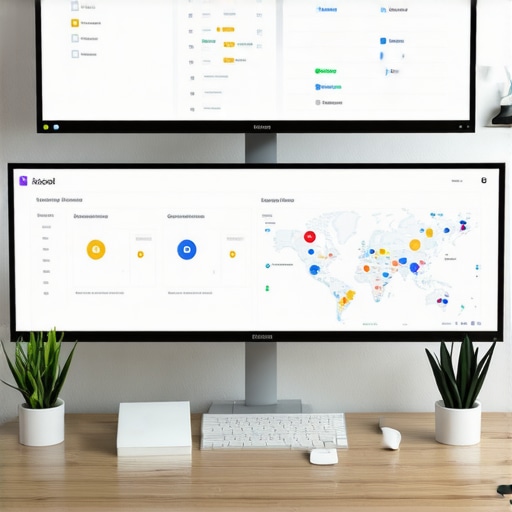
Incorporating automation and detailed analytics is crucial for modern local SEO success. For instance, integrating structured data with your website, consistent review management, and citation audits creates a resilient digital presence that can adapt to algorithmic shifts. Remember, you don’t have to do this manually—automated dashboards and tools provide the real-time insights needed to make quick decisions. Try setting up automated alerts via your chosen tools to flag ranking drops or inconsistent data; this proactive approach is key to maintaining long-term visibility and competitive edge in local searches.
Over the years, I’ve discovered that the most profound lessons in local SEO often come from unexpected challenges and personal wins. One of my key insights is that deep familiarity with the evolving landscape allows us to adapt more swiftly and effectively. For instance, understanding the subtle shifts in Google’s AI signals has empowered me to refine strategies that consistently outperform outdated tactics. Recognizing that authority signals—like mentions and knowledge panels—hold more weight than traditional citations has revolutionized how my team approaches local optimization.
Another valuable lesson is the power of proactive monitoring. Staying ahead means regularly auditing your entity signals and swiftly addressing inconsistencies. This habit has prevented many ranking drops and ensures your business remains visible amid fierce competition. The most successful local SEO campaigns I’ve led are deeply rooted in a strategic combination of leveraging tools like BrightLocal and aligning content with community interests, which reinforces your business’s relevance and trustworthiness.
Finally, I’ve learned that building genuine relationships—be it with local influencers or through community involvement—creates authentic signals that engines value highly. These relationships translate into natural mentions and reviews that boost your authority for the long term. The real takeaway? Success in local SEO requires continuous learning, strategic agility, and a genuine connection to your community—elements that all work together to solidify your spot at the top of the map packs.
My Essential Arsenal for Dominating Local Maps Rankings
Tools like BrightLocal and Whitespark’s Citation Finder have become indispensable for maintaining citation accuracy and discovering new opportunities. For content and structured data, I rely on comprehensive local profile optimization guides that keep my strategies aligned with the latest best practices. Ultimately, these tools, combined with community outreach efforts, form the backbone of sustained local SEO success.
Keep Pushing Forward: Your Local Map Triumph Awaits
The journey to local prominence is ongoing, but armed with the right insights and tools, you’re fully capable of staying ahead of the curve. Whether you’re refining your business profile SEO, cultivating authoritative mentions, or monitoring your signals, each step adds resilience to your local presence. Remember, the most successful businesses are those that view local SEO as a long-term art—constantly evolving, experimenting, and engaging. So, are you ready to elevate your local visibility and dominate your market? Share your experiences or questions below—your next breakthrough might just be a comment away.